cloutaro
Facebook's algorithm: how it decides what lands in the feed
Meta documents how the feed is ranked. Here are the four steps, the originality rules, and what a Page owner can actually control.
Facebook's algorithm is not a secret. Meta documents it in fair detail in its Transparency Center and updated the feed ranking page in June 2025. The trouble is that it is scattered across ranking pages, system cards and quarterly reports, and most writing about it describes a feed that no longer exists. Here is the mechanism and what a Page owner can actually influence.
The four steps, in Meta's own description
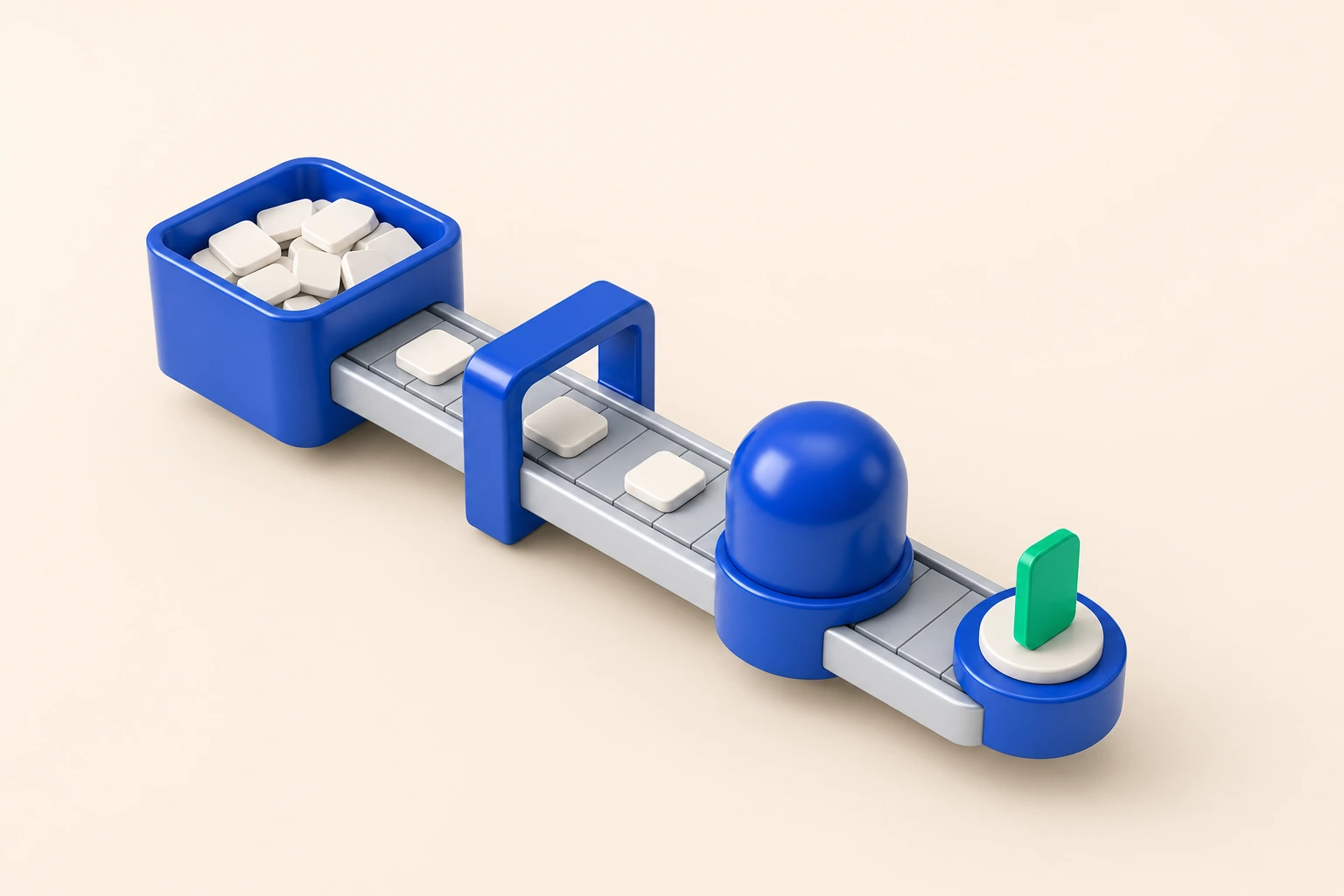
Content you are connected to (friends, groups, Pages you follow) is ranked in four steps.
Inventory: everything posted since you last opened the app.
Signals: the data points about you, the post, and the relationship between the two.
Predictions: guesses at how likely you are to comment, share, stay, click.
Ranking by score: the predictions collapsed into one score per post, and the feed sorted by that score.
Only then does Meta mix in recommendations, and ads last. Placement is a prediction about the viewer, not a verdict on your post.
The viewer holds a lever of their own here: the "Interested" and "Not interested" buttons temporarily raise or lower the ranking score for that post and similar content.
Signals and predictions, in Meta's own words
Meta says feed ranking uses thousands of signals and a large set of prediction models, guessing at four things: what you do with the post, how long you spend on it, your interest in the poster, and what others do if you share it.
Signals split into explicit and implicit. Explicit signals are likes, comments and shares. Implicit signals are that you saw the post at all, and how long you stayed on it. A post nobody reacts to is not necessarily dead: if people watch it through, the system has its signal. For someone who never taps like, watch time counts for more than the button.
"The algorithm" is plural
Meta publishes a separate system card for each ranking system: feed, feed recommendations, Reels, Stories, group feed, ranked comments.
A Reel and a link post are not in the same race, and a post that did well in a group says nothing about your Page. When somebody says the algorithm changed, ask which one.
Why Page reach looks the way it does
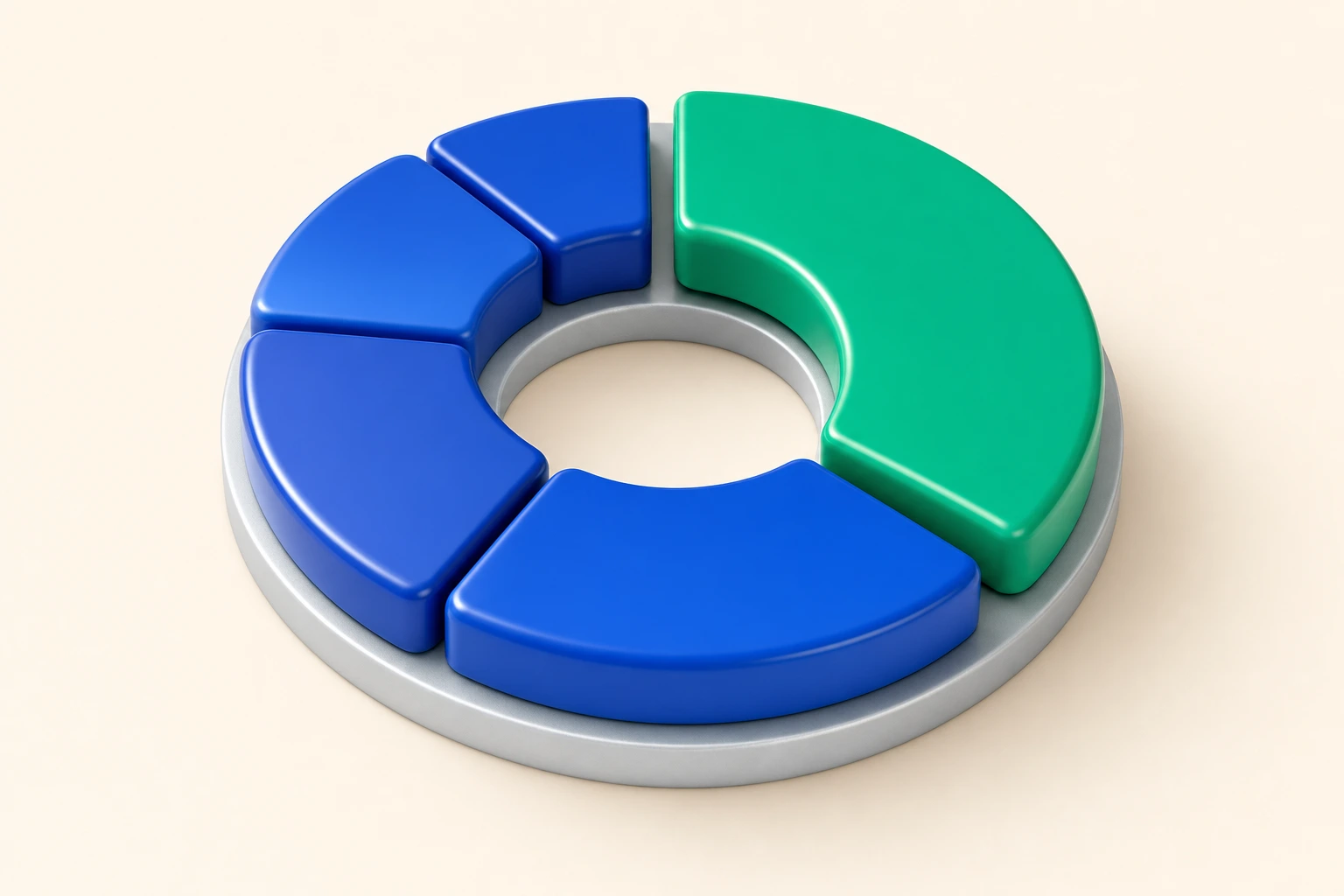
Meta publishes a quarterly report on the most widely viewed content. It covers the United States only, so the numbers are not yours, but it is the closest primary source for how a feed is composed. Q4 2025:
| Source of the view | Share |
|---|---|
| Recommendations from unfollowed sources | 41.0% |
| Friends followed | 20.1% |
| Viewed as a public follower (Pages, profiles) | 13.9% |
| Groups joined | 12.8% |
| Other | 12.2% |
Read the top row together with the third. The largest single item is content from accounts the viewer does not follow. Your Page is not competing for a queue of its own followers; it is competing against everything the system could show instead, including accounts the reader has never seen.
An earlier edition of the same report, covering Q2 2025, found that 97.8% of US views were posts with no link out of Facebook. Link posts are a small share of what gets viewed, so they are competing for a much thinner slice.
What Facebook says it demotes
Meta's Content Distribution Guidelines are the public list of what gets pushed down. Four things are on it: clickbait links, engagement bait, fact-checked misinformation, and content likely to breach the Community Standards.
Engagement bait is a post that explicitly asks for reactions: "Tag a friend", "share if you agree". Meta carves out exceptions for things like missing-person appeals and fundraisers, but the Page begging for a tag is in the category.
Clickbait links: Meta defines these by withheld information, sensationalised language and shouting punctuation. "You won't believe what happened next" is the example given.
What hurts is repetition. Do it repeatedly and Meta demotes the account, not just the post. That is the difference between a bad week and a ceiling.
Originality got written into the rules
In March 2026 Meta spelled it out. Original content is filmed or produced directly by the creator or owner behind the profile or Page.
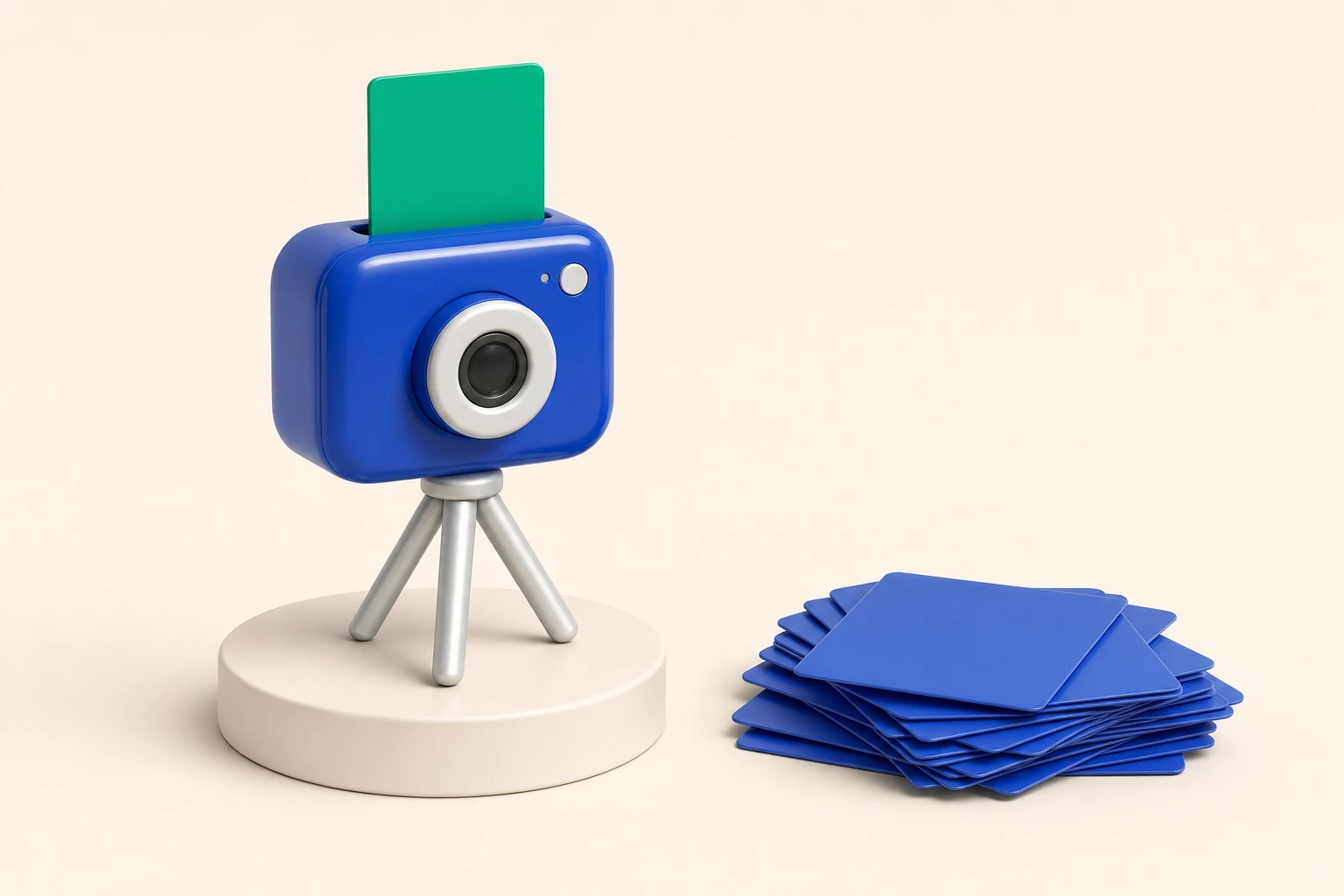
So what gets demoted: reuploads of posts you had no part in, and cheap edits of other people's material such as borders, added captions and altered speed. The same goes for clips whose only contribution is watching along on camera, reacting to someone else's clip, stitching clips together or reading text off the screen.
Meta says it removed more than 20 million accounts in 2025 that were impersonating larger creators, and that views and watch time on original Reels roughly doubled in the second half of 2025 against the year before. Meta's own figures about Meta's own effort, but the direction is clear.
More is coming. In July 2026 Meta wrote that later this year it will test an app version that opens straight into full-screen video for some users, with the classic feed as tab two and an opt-out. The test starts in countries with heavy video use, which Meta did not name.
What you control, and what nobody can sell you
The levers are few: format, originality, the first few seconds, whether the clip works without sound, the comment thread under your own posts, and a cadence you can hold in your worst week. Video is where the inventory grows. Text and links reach the people who already found you.
And here is the part nobody else writes down: no supplier can change the four steps. Not us, not anybody. Inventory, signals, predictions and score run inside Meta on data nobody outside can write to. Buy a number somewhere and you have bought a number, not a place in the ranking.
How to read your own numbers
Everything above is general. Your Page is not.
In Meta Business Suite you can split reach into followers and non-followers, the most important split there is. A rising non-follower share usually means more of your reach is coming from recommendations. If it drops, you are talking to the same people again.
Change one thing at a time and give it long enough to see a pattern across several posts. Change everything at once and you will not know what worked.
Where bought numbers honestly fit
We sell Facebook views, so read this with that in mind: bought views move the public number on a post, and that is all they do. They do not touch the four steps, do not change what the prediction models make of your content, and create no comments or recommendations. Bought engagement also runs against Meta's rules on inauthentic behaviour, and numbers can drop when Meta removes them; that is what the written refill terms cover. The use case is narrow: a post with a two-digit view count reads as an empty room, and some sellers argue that impression can be repaired. That is a claim about perception, not about reach. It is not distribution.
The short version
Four steps: inventory, signals, predictions, score. Then recommendations and ads mixed in.
Ranking is personal: about the viewer, not the post.
No single algorithm, but one system per surface.
The biggest single item in the feed is content from accounts the reader does not follow. That is why Page reach looks as it does.
Originality is written into the rules, recycling written out. And nobody, ourselves included, can sell you a place in the ranking.
Buy Facebook Followers
Followers for Facebook Pages and personal profiles, the count visitors see.
Buy nowFrequently asked questions
Continuously, but rarely in the way people assume. Meta timestamps its own pages: the feed ranking page was last updated in June 2025, the list of demoted content in July 2025. The real shift in recent years is not a new formula, but more recommended content in the inventory and a sharper rule on originality.
About the author